If you have looked at a modest property near Puerto Jiménez and wondered whether it could become something far more meaningful, you are asking the right question. In this part of Costa Rica, the goal is rarely to build bigger. It is to build smarter, lighter, and in a way that fits the land, the climate, and the guest experience you want to offer. This guide will walk you through what it takes to turn a simple property into a small eco-retreat near Puerto Jiménez, from concept and design to permits and operations. Let’s dive in.
Why Puerto Jiménez Fits Ecotourism
Puerto Jiménez holds a unique place on the Osa Peninsula. Official tourism materials describe it as the main town on the peninsula, and it is one of the communities that supports Corcovado National Park’s visitor economy. That matters because a retreat here is not starting from scratch. It is stepping into an established nature-based destination.
The environmental setting is also a major part of the opportunity. SINAC describes Corcovado as a place of exceptional biodiversity and notes that the park contains 2.5% of the world’s biodiversity. For an eco-retreat concept, that kind of setting gives you a clear identity from the start.
There is also an important local governance update to understand. Puerto Jiménez is now a separate canton in Puntarenas, with its municipal installation effective as of May 1, 2024. For buyers, owners, and investors, that means land-use and licensing questions now sit within a newer local government context.
Start With the Right Retreat Concept
A successful eco-retreat near Puerto Jiménez should feel intentional, not overbuilt. UNEP’s ecotourism guidance points toward a model that is small-scale, low-impact, and designed to benefit the local area rather than simply use the landscape as a backdrop. That usually means resisting the urge to force a conventional resort concept onto a sensitive setting.
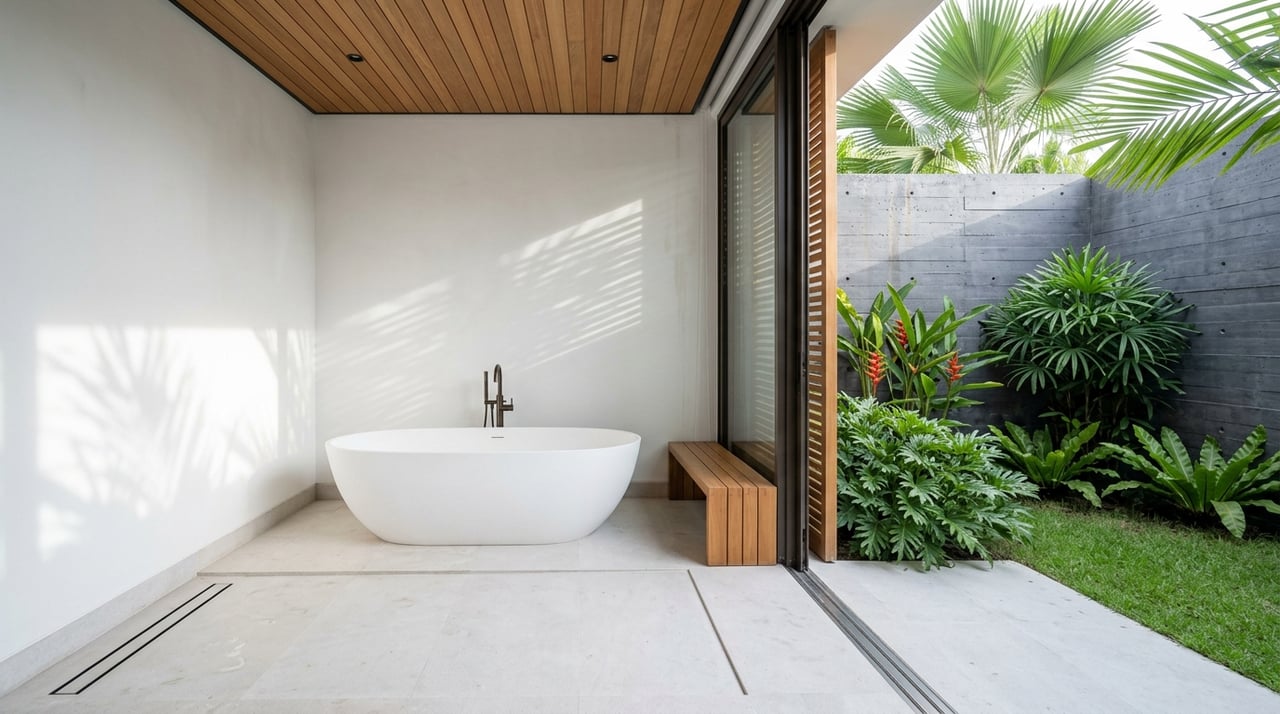
In practical terms, a stronger approach is a modest room count, a central gathering space, shaded walkways, and quiet places for observation and rest. The guest experience should feel grounded in the environment. Think birding at first light, wildlife viewing at dawn and dusk, beach walks, and guided forest or mangrove outings.
This kind of positioning is especially credible near Puerto Jiménez because the destination already attracts travelers for nature, not for dense activity programming. A property that leans into interpretation, calm, and connection will usually feel more authentic than one trying to compete as a generic hospitality product.
Build the Guest Experience in Layers
One of the simplest ways to shape an eco-retreat is to think in layers. Guests should arrive and decompress first. Then they should connect to a central place for meals, orientation, and interpretation before moving outward to private sleeping spaces and guided outdoor experiences.
That layout supports both comfort and low impact. It helps you concentrate infrastructure where it is most efficient while keeping private areas quieter and more integrated with the setting. It also makes it easier to phase development if you want to launch with fewer keys and grow carefully over time.
A layered plan can include:
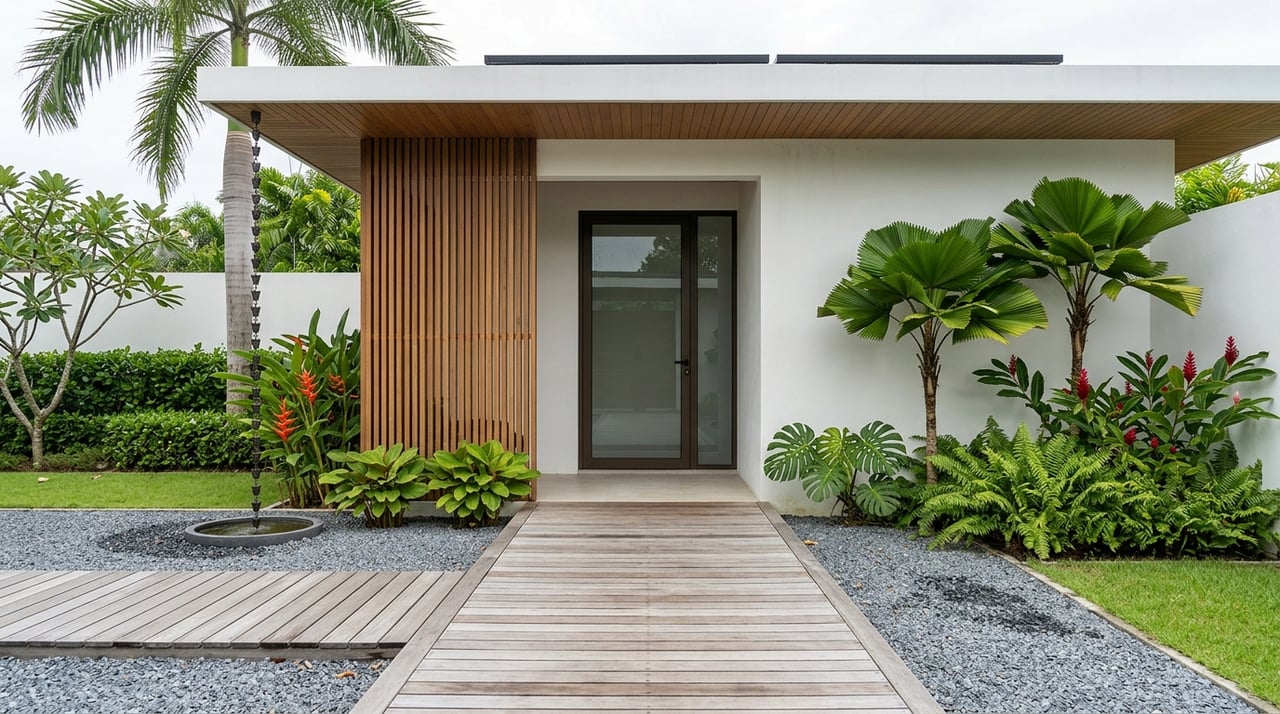
- A calm arrival area with easy drop-off and weather protection
- A central pavilion for dining, conversation, and guest orientation
- Separate sleeping units with privacy and shaded circulation
- On-site interpretive paths or wildlife-viewing points
- Off-site guided excursions that shift with season and conditions
Design for Rain, Humidity, and Access
The climate near Puerto Jiménez is not a minor design detail. SINAC describes Corcovado’s climate as hot, rainy, and very humid, with a rainy season that runs roughly from May to November. It also notes annual rainfall around 5,500 mm in mountainous areas and 3,500 mm on the coast.
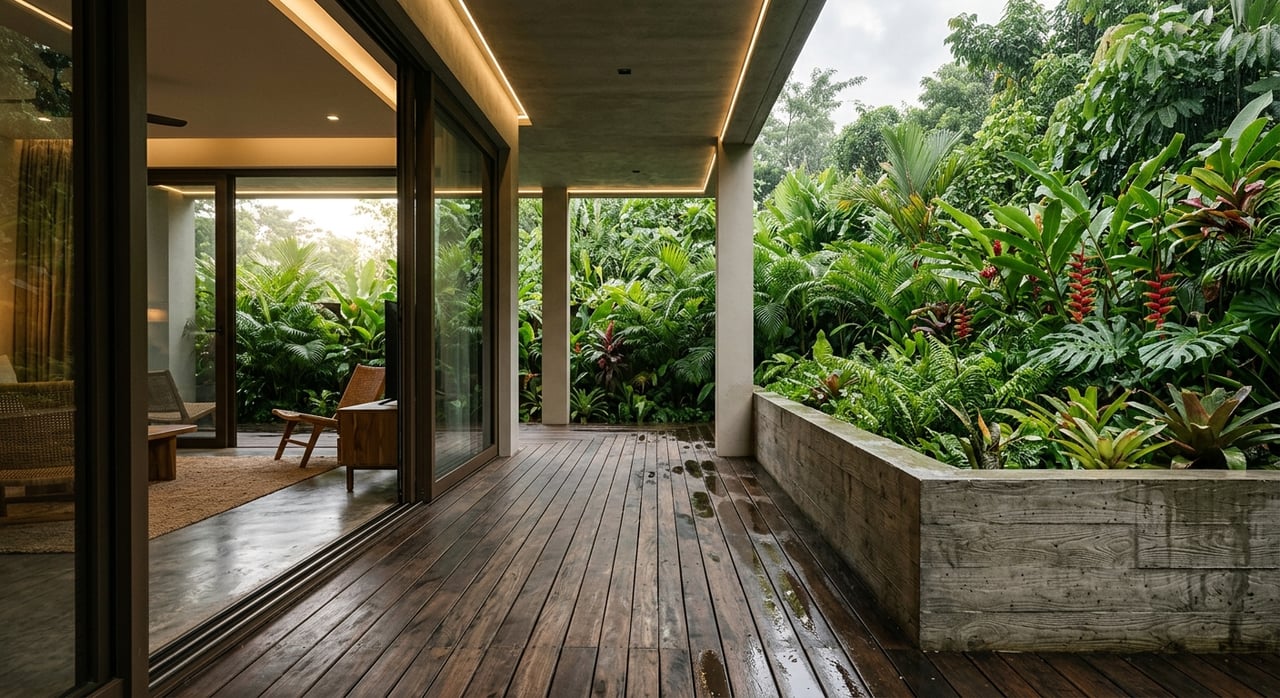
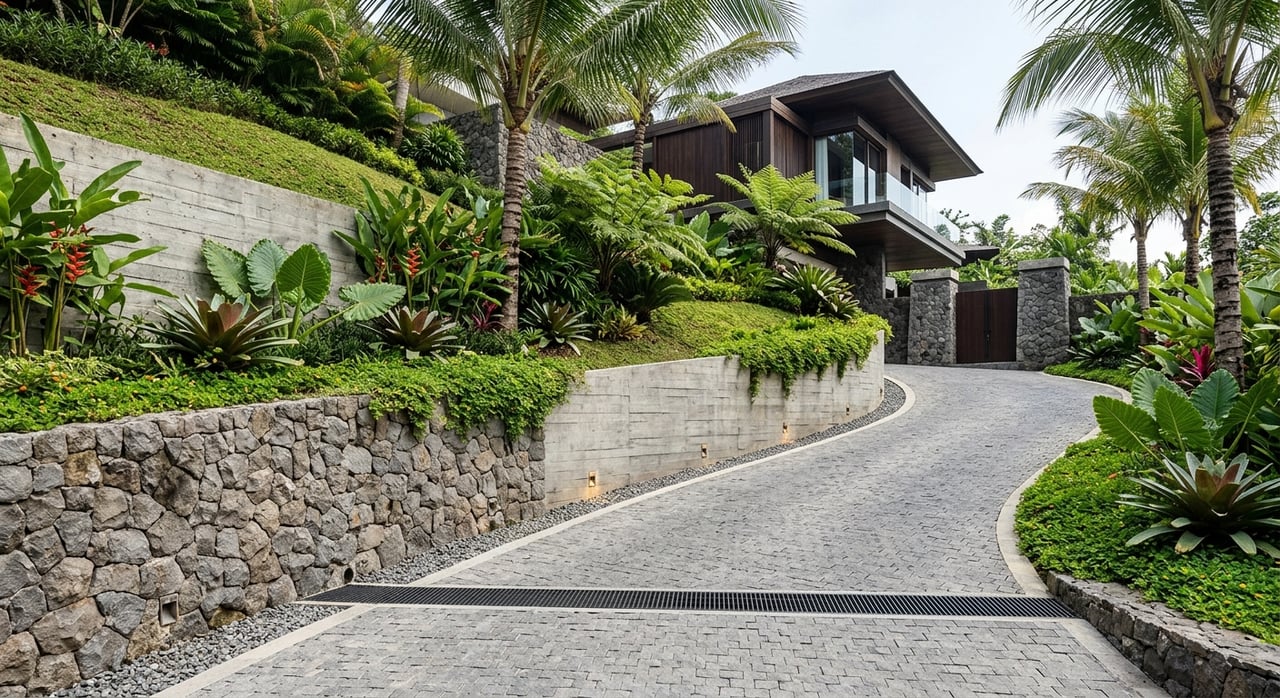
That means your retreat must be designed around water from day one. Drainage, rooflines, path materials, ventilation, and construction sequencing all become core planning issues. If you treat them as finish-stage decisions, you risk higher maintenance and a weaker guest experience.
Access matters too. SINAC warns that some routes toward Corcovado from Puerto Jiménez require precautions during the rainy season and may require 4x4 travel. If your retreat depends on guided experiences or transfers, logistics should be part of the concept early, not something solved later.
When evaluating a property, pay close attention to:
- Natural drainage patterns
- Building placement during heavy rain
- Roof design and overhangs
- Ventilation and passive cooling potential
- Surface materials for trails and walkways
- Seasonal transfer and excursion access
Keep Construction Low-Impact
UNEP’s ecolodge guidance is clear that successful ecotourism projects minimize construction impact and fit their physical and cultural context. That does not mean sacrificing comfort. It means choosing a development approach that respects the site and reduces strain on infrastructure.
For many properties near Puerto Jiménez, that favors a phased plan over a full buildout at once. You may begin with a few guest units, a gathering space, and basic interpretive features, then expand only after operations, staffing, and infrastructure prove stable. This can protect capital while also improving long-term functionality.
A lower-impact build strategy often supports better outcomes in:
- Water use
- Wastewater planning
- Energy efficiency through passive design
- Trail management
- Maintenance demands in a humid climate
- Guest privacy and acoustic comfort
Make Guides and Partnerships Part of the Product
An eco-retreat should not try to operate as a closed island. UNEP identifies local guides, transport providers, boats, bikes, and craft producers as essential parts of the ecotourism ecosystem. In other words, the retreat experience should extend into the community through well-managed partnerships.
That is especially relevant near Puerto Jiménez. ICT states that a general tourist guide must be authorized, and its guidance for adventure guiding includes first aid, CPR, tourism and environmental law, and rescue-related training for the activity. SINAC also recommends visiting parks with an expert guide.
The operational takeaway is simple. Your excursion program should be built around licensed local guides and structured partnerships, not informal arrangements. This approach supports guest safety, aligns with the destination’s tourism framework, and strengthens local economic participation.
A strong retreat model often includes:
- Short interpretive loops on the property
- Birding or wildlife-viewing platforms
- Scheduled outings with local guides
- Marine or Golfo Dulce experiences through partners
- Guided Corcovado access coordinated professionally
Check Coastal and Land-Use Rules Early
Before you spend heavily on plans, confirm the property’s legal framework. The first major question is whether the parcel touches the maritime-terrestrial zone. Under Law 6043, the ZMT is the 200-meter strip along the coast, and concessions in the restricted zone are granted by the municipality, with ICT approval authority in tourist areas.
That means use changes, new buildings, or shifts in the parcel’s intended destination should be reviewed early. Waiting too long on this step can lead to expensive redesigns or unrealistic business assumptions. For coastal or near-coastal property, this is one of the most important early diligence items.
Because Puerto Jiménez is operating within a newer local government context, it is wise to approach zoning and municipal questions with current, locally informed support. Clear sequencing matters just as much as vision.
Plan Licensing Before Final Design
Tourism licensing should be considered early in the process. ICT’s Tourism Declaration is voluntary, but it is the recognized route for official listing and tourism-contract access. For small hospitality projects, category rules can affect your operating plan from the start.
The current lodging categories also make room count important. ICT notes that a boutique hotel has a minimum of 5 rooms, while country houses, cabins, and hostels require 7 rooms. For a simple property becoming a retreat, that threshold can influence whether you launch in phases, pursue a different category, or refine the concept before final design.
Sustainability matters here too. ICT’s CST system evaluates business management, social, economic, and cultural impact, environmental impact, and indicators specific to lodging and tourism activities. For an eco-retreat, this can help show that sustainability is operational, not just aesthetic.
Map Health and Environmental Compliance
Health and environmental compliance should be mapped before architectural plans are locked. The Ministry of Health requires a sanitary operating permit for establishments that provide services. SETENA’s environmental viability process also applies to activities, works, and projects depending on impact category.
In practice, that means your team should understand water supply, wastewater treatment, solid-waste handling, and construction sequencing from the beginning. These are not back-office issues. They shape budget, design, layout, and long-term operating reliability.
This is one reason a simple property can be more promising than it first appears. If the site allows for sensible infrastructure planning and a low-impact layout, you may have the foundation for a very compelling hospitality concept.
Build the Right Local Team
A beautiful idea needs local execution. Based on the permitting and operating framework, the safest team usually includes a Costa Rican land-use attorney, an architect who understands tropical passive design, a SETENA or environmental specialist, and an operator or consultant who understands small-property guest flow and guide coordination.
That combination can help you avoid a common mistake: creating something visually attractive that later proves difficult to license, staff, or operate. In a market like Puerto Jiménez, refined planning is often what separates a romantic concept from a durable investment.
For buyers and investors, this is where experienced regional guidance becomes especially valuable. A property may look simple on paper, but its best use depends on context, sequencing, and the quality of the team around it.
If you are exploring boutique hospitality, eco-retreat development, or a land acquisition strategy near Puerto Jiménez, working with a local advisor who understands both opportunity and process can save time and protect value. To discuss properties, development positioning, and on-the-ground coordination in Costa Rica’s South Pacific, connect with Jorge Elizondo ( CIRE Costa Rica South Pacific).
FAQs
What makes Puerto Jiménez a good place for an eco-retreat?
- Puerto Jiménez is the main town on the Osa Peninsula, supports the visitor economy around Corcovado National Park, and sits within a globally recognized biodiversity setting that aligns well with nature-based hospitality.
What should a small eco-retreat near Puerto Jiménez include?
- A practical concept often includes a modest room count, a central gathering area, shaded circulation, private sleeping units, and guided nature experiences that prioritize observation and low impact.
What climate issues matter for retreat design near Puerto Jiménez?
- Heavy rainfall, high humidity, and seasonal access conditions make drainage, roof design, ventilation, walkway materials, and guest transfer planning essential from the earliest design stage.
Do guided experiences near Puerto Jiménez need local professionals?
- Yes. ICT states that tourist guides must be authorized, and SINAC recommends visiting parks with an expert guide, so retreats should build excursions around licensed local partners.
What legal issue should buyers check first for coastal property near Puerto Jiménez?
- You should first verify whether the parcel falls within the maritime-terrestrial zone, because coastal use, concessions, and approvals can affect what may be built or operated there.
What permits matter for an eco-retreat project in Puerto Jiménez?
- Depending on the project, key items can include municipal land-use review, possible ZMT review, a Ministry of Health sanitary operating permit, and SETENA environmental viability requirements.
How can room count affect a retreat concept in Costa Rica?
- ICT lodging categories include minimum room counts for certain classifications, so your number of units can influence whether you phase the project or pursue a different hospitality category.
Why is a phased launch useful for a Puerto Jiménez eco-retreat?
- A phased launch can reduce construction impact, align better with infrastructure realities, and let you test operations, guest flow, and licensing strategy before expanding.