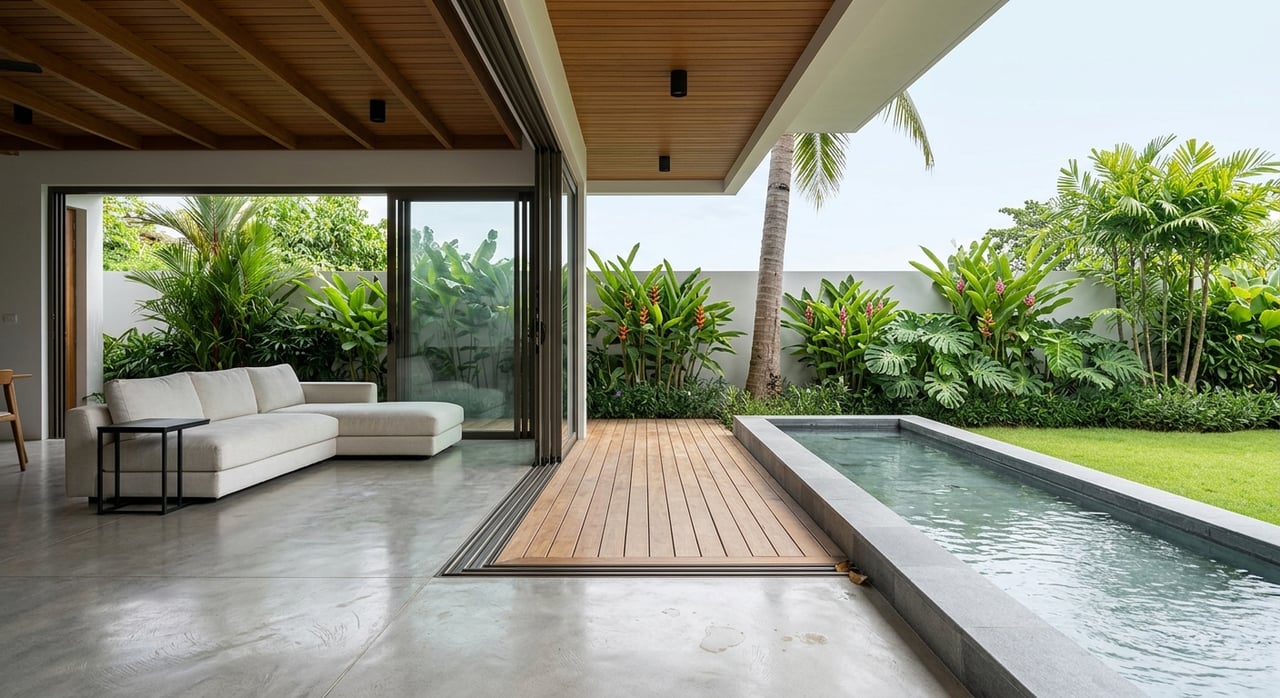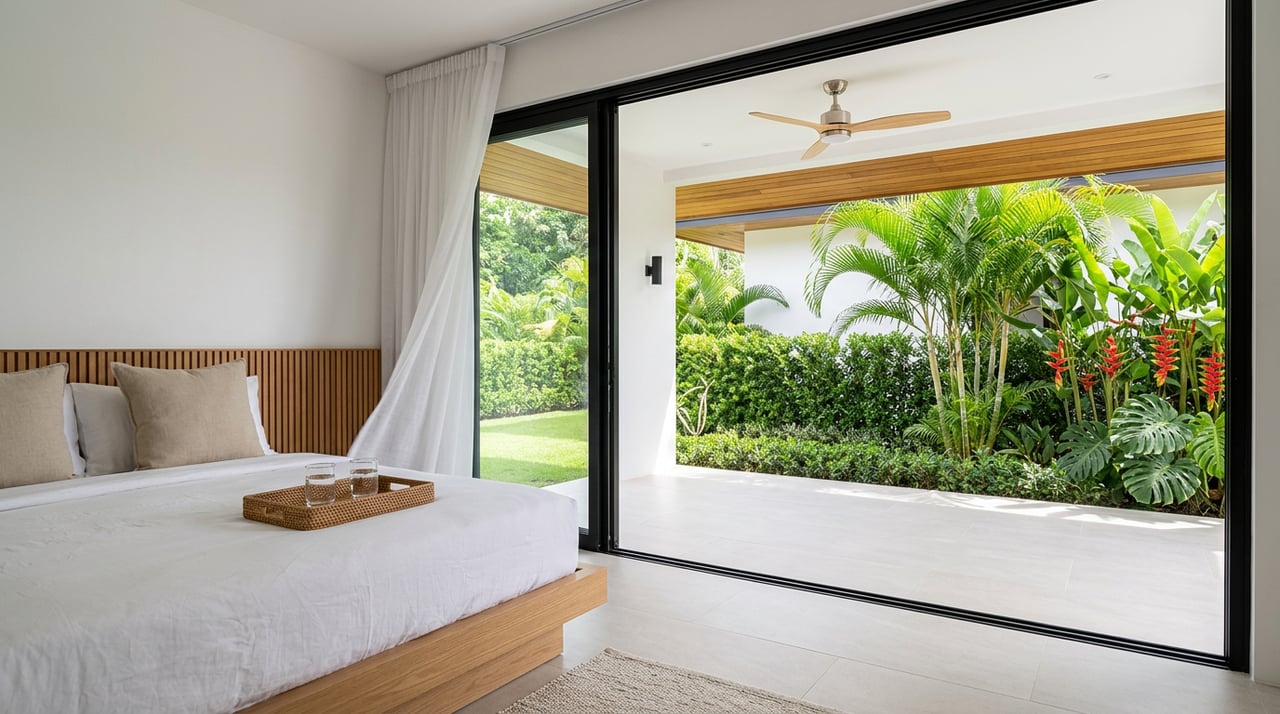
You bought a beautiful home in Ojochal and keep hearing that this village is the culinary heart of Costa Ballena. If you’re picturing guests savoring chef dinners on your terrace and five-star reviews rolling in, you’re not alone. Turning a private home into a boutique rental here is very doable, but you need a clean plan for permits, design, operations, and marketing. This guide walks you through the essentials so you can launch with confidence and protect your investment. Let’s dive in.
Why Ojochal suits a boutique rental
Ojochal has a well-earned reputation as the southern Pacific’s culinary village, with strong appeal for food lovers who also want quick access to beaches, waterfall hikes, and national parks. That mix creates a natural niche for a food-forward, design-conscious rental that offers privacy and local flavor. Travel sources highlight Ojochal’s restaurant scene and location advantages, which you can use in your positioning and listing copy to stand out to high-intent travelers. You can reference this narrative in your welcome guide and marketing, supported by descriptions of the area’s dining and nature experiences, including the culinary reputation noted by travel overviews of Ojochal.
Seasonality follows Costa Rica’s broader southern Pacific pattern. Expect higher demand and stronger rates from roughly November through April, then softer but still attractive months during the green season. You can adjust minimum stays, nightly pricing, and add-on experiences to keep occupancy resilient across the year.
Step 1: Confirm you can operate legally
Before you invest in furnishings or professional photos, line up the right registrations and local approvals. This protects you and avoids costly delays.
Register with ICT as a non-traditional lodging host
Costa Rica regulates short-term rentals under Law No. 9742, which created a public registry for non-traditional lodging. The Instituto Costarricense de Turismo (ICT) operates the process. Your first stop is the ICT Non-Traditional Lodging Registry. You will submit information about the property and operation. ICT validates submissions and publishes approved registrations in its system.
Also plan for tax compliance. The 2019 tax reform (Law No. 9635) updated VAT and invoicing rules that affect lodging and platform reporting. Discuss VAT treatment and e-invoicing with a local tax advisor, referencing the national tax reform details.
Obtain your municipal license to operate
Even if you register with ICT, you still need the local commercial license, often called the Licencia Única Anual de Funcionamiento (LUAF) or a patente. Municipalities issue these and set conditions and fees. Review the tourism regulations that establish municipal authority to license tourist establishments and the annual operation license structure, as outlined in the national framework for municipal licensing.
In practice, expect a two-step process:
- Complete ICT registration to obtain your host code where required.
- Apply for the municipal license with Municipalidad de Osa, often after securing a certificado de uso de suelo that confirms permitted use.
Local context matters. Osa has been reviewing coastal and plan-regulator issues, and there have been public inquiries about permit practices in the coastal ridge. This can affect timing and requirements. It is smart to confirm any special conditions directly with the municipality and to request written confirmation of permitted use for your parcel. Local reporting on these reviews is summarized in this article about municipal permitting on the coastal ridge.
Know coastal and public-domain rules (ZMT)
If your lot is near the beach or includes private access to it, the Zona Marítimo Terrestre (ZMT) rules apply. By law, the first 50 meters from the ordinary high tide line are public and cannot be occupied. The next 150 meters form a restricted zone with special concession rules that municipalities administer. Before planning expansions or beachfront amenities, review the ZMT legal framework and confirm boundaries and allowed uses for your property.
Plan for environmental review when needed
Small cosmetic updates usually do not trigger environmental review. Larger changes, especially near protected areas or on steep slopes, can require SETENA approval for environmental viability. Triggers can include new buildings beyond a simple conversion, pools, large septic systems, or works that affect rivers, mangroves, or fragile slopes. Thresholds use an environmental fragility index and project type. For a deeper sense of how reviews are approached, see reference materials summarizing environmental review contexts and fragility considerations. When in doubt, consult an environmental professional early.
Step 2: Water, wastewater, safety, and food permits
A boutique rental must function smoothly. That means water supply, wastewater, safety basics, and any food-service permits need to be handled before you open.
Water and wastewater planning
Confirm your water source and capacity. Many homes in Ojochal are served by local ASADAs or private wells. If you will add guest suites, a pool, or increase occupancy, you may need to document water availability and upgrade your septic or install a packaged treatment plant to meet Ministry of Health and municipal standards.
Food service rules if you will serve meals
If you plan to offer prepared food to paying guests, such as daily breakfasts, pop-up dinners, or a private-chef program, you will likely need health permits and compliance with food-service regulations. Review the Ministry of Health’s regulations and registration guidance for food establishments and schedule any inspections required. If you opt not to serve food commercially and instead refer guests to local restaurants, your compliance burden is typically lower.
Guest safety and accessibility basics
You should plan for clear egress, fire extinguishers, signage, potable water, and emergency lighting. If you want to market as a public tourist establishment, review ICT and municipal standards and consider accessibility features that improve guest experience and broaden your audience.
Step 3: Choose your boutique model
Your operating model influences your permitting path, design choices, and revenue potential. Decide early, then tailor the property to fit.
Model A: Self-catered boutique
This model focuses on privacy and independence. Each unit has a quality kitchen with reliable appliances, cookware, and a curated set of staples. You provide a polished welcome guide that lists recommended restaurants and catering partners in Ojochal. The appeal is strong for couples and families who like to cook or dine out. Health permitting is simpler because you are not operating a food establishment.
Best practices for Model A:
- Equip each kitchen with the tools guests actually use: sharp knives, cutting boards, blender, toaster, coffee system, and enough pots and pans for batch cooking.
- Stock thoughtful basics: salt, pepper, cooking oil, paper goods, and filtered water where needed.
- Provide a dining guide with reservation tips and transportation notes for the village and nearby areas.
Model B: Curated culinary experience
This model adds an in-house culinary program and often commands higher nightly rates. You set up a professional or semi-professional kitchen and offer private-chef dinners, tasting menus, or culinary packages. It is an excellent fit for Ojochal’s reputation but comes with stricter health and licensing responsibilities. Verify whether your planned service qualifies as a food establishment under Ministry of Health rules, then obtain the permits and inspections needed.
If you choose Model B:
- Build a dedicated staging kitchen or chef’s pantry with storage and a separate dishwashing area.
- Partner with insured private chefs and require compliance with health standards.
- Increase liability insurance limits to account for food service and events.
Layout and amenity checklist
Use this checklist to refine the guest experience while keeping operations efficient:
- Covered indoor-outdoor dining for all-weather comfort, ambient lighting, and insect control.
- Backup power for evening events and rain-season resilience.
- Private entrances and secure guest parking that are easy to navigate after dark.
- Laundry capacity sized for peak occupancy, plus a clear back-of-house workflow.
- Fast, reliable internet and a pre-arrival guide to road conditions and vehicle needs.
- A curated list of local producers and chefs that reinforces your culinary story.
Step 4: Build your operations and budget
A boutique rental shines when the details are scripted. Set roles, price your services, and budget ongoing costs before you take your first booking.
Your core team
- Owner or part-time host. Oversees guest communication and check-ins when in residence.
- Local manager or professional property manager. Provides 24/7 coverage, coordinates maintenance, and handles on-site support.
- Cleaning and laundry staff. Executes fast, high-standard turnovers.
- Private chef or catering partners. Delivers curated dining experiences in compliance with health rules.
Property management and fees
Service levels vary from co-hosting to full-service management. Industry examples place professional STR management commissions from the mid-teens to low-30s percent of gross rental revenue. Review scopes carefully to see what is included, and compare multiple proposals. For context on typical arrangements, see guidance from global property-management sources.
Taxes and accounting to expect
Plan to register with the national tax authority, issue compliant e-invoices, and report rental income. VAT treatment depends on your mix of services and whether platforms withhold on your behalf. Work with a local advisor and refer to the 2019 VAT reform context to confirm obligations for lodging and bundled meal packages.
Insurance and risk management
Obtain host or landlord insurance that covers guest liability, property damage, and natural hazards typical of Costa Rica. If you host events or operate a culinary program, increase liability limits and require proof of insurance from outside vendors.
Step 5: Positioning, pricing, and partnerships
In a culinary village, well-chosen partnerships and a clear brand story drive revenue.
Distribution and storytelling
List on major booking channels and maintain a direct contact route for repeat or longer-stay guests. Invest in professional photography and write copy that highlights your culinary positioning, sample menus, and chef options. Dynamic pricing tools can help, but they need regular oversight to reflect seasonality and local events.
Seasonal strategy
- Dry season. Optimize rates and minimum stays. Offer elevated culinary packages for holidays.
- Green season. Promote longer stays, remote-work amenities, and culinary classes or farm visits.
- Event windows. Whale season and local festivals create spikes. Open your calendar early and set reminders to adjust pricing.
Partnerships that amplify value
- Reserve tables in advance for guests at select Ojochal restaurants.
- Offer private-chef nights featuring local products, with menu previews in your listing.
- Curate a tasting itinerary: coffee roaster, farmers market, and a chef-led cooking demo.
Practical guest policies
Be explicit about noise, parking, event limits, and maximum occupancy. Clear rules protect neighbor relations and make municipal compliance easier.
Step 6: Due-diligence checklist before you launch
Work through this list in order. It will save you time and protect capital.
- Confirm uso de suelo with Municipalidad de Osa and request a written certificate of permitted use for your parcel.
- If near the coast, verify ZMT boundaries and whether any planned works enter restricted zones. Reference the ZMT legal framework and consult the municipal ZMT office as needed.
- Register your operation through the ICT Non-Traditional Lodging Registry. Prepare supporting documents in advance.
- Confirm tax registration, VAT treatment, and e-invoicing with a local advisor using the post-2019 VAT rules as a starting point.
- If offering meals or chef experiences, align early with the Ministry of Health’s food-service permit requirements and schedule inspections.
- Get quotes for property management, cleaning, insurance, municipal license renewals, and any water or wastewater upgrades.
- If your project includes additions or is near sensitive areas, consult an environmental professional to determine whether SETENA review is needed, drawing on environmental review references to understand typical triggers.
- Build a 12-month operating budget with seasonal pricing assumptions and a reserve for maintenance and capital items.
Ready to move from idea to income with a compliant, guest-loved property in Ojochal? For tailored guidance on property selection, permitting coordination, and rental positioning, connect with Jorge Elizondo ( CIRE Costa Rica South Pacific).
FAQs
What permits do I need to operate a boutique rental in Ojochal?
- You should register as a non-traditional lodging host with ICT, obtain the municipal license to operate from Municipalidad de Osa, comply with tax registration and invoicing, and secure any health permits if you will serve food.
Do I need a health permit to serve breakfast to guests?
- If you offer prepared food to paying guests on a regular basis, Costa Rica’s health regulations typically require sanitary registration as a food establishment and inspections. If you stay strictly referral-only for dining, you can often avoid this requirement.
How close to the beach can I build or host guests?
- The first 50 meters from the high-tide line are public and off-limits for private occupation, and the next 150 meters are a restricted zone with special rules. Confirm boundaries and concessions with the municipality before planning any expansions.
What are typical property management fees for STRs in the Southern Zone?
- Commission structures vary by scope, but many full-service STR managers fall between the mid-teens and low-30s percent of gross rental revenue. Compare proposals line by line to see what each fee covers.
Will VAT apply to my nightly rate and meal packages?
- VAT treatment depends on your service mix and whether booking platforms withhold taxes. A local tax advisor can confirm registration, e-invoicing, and VAT handling for lodging and any bundled culinary services.